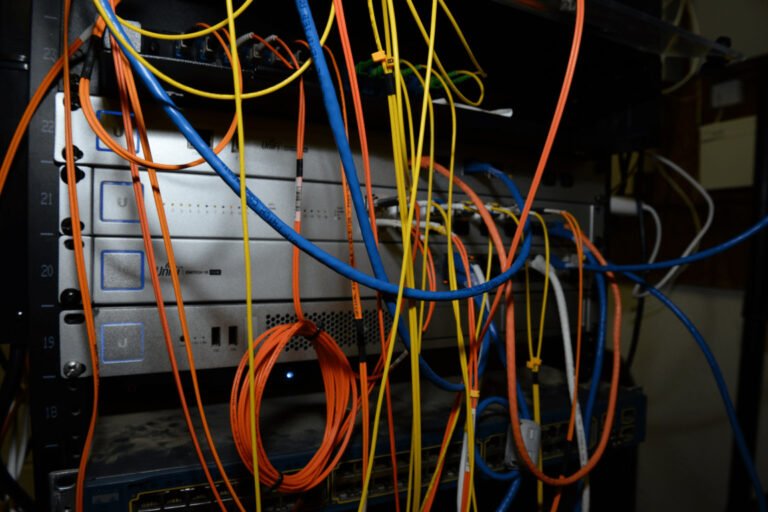
Encryption comes after discovery. Immutable copies, separate credentials, monitored deletion events and rehearsed restores are what actually preserve the ability to recover.
By Tech Ledger Editorial Team · Our approach
A little more context. A clearer signal.
Read beyond the headline. Every article links to its original source and distinguishes reported results from future plans.
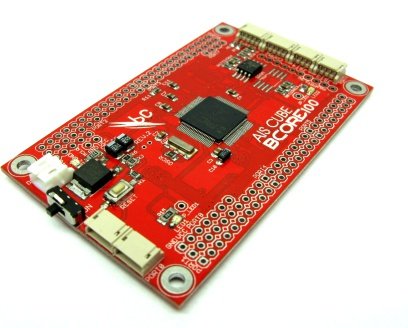
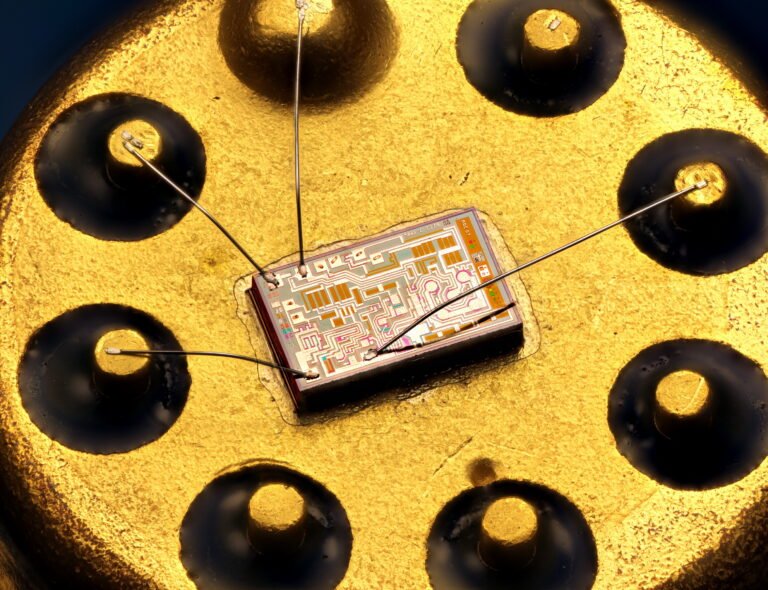
At the edge the metric is performance per watt, and the compiler decides adoption. Quantisation, on chip memory and support lifetime outweigh peak throughput.
Training, weights and attribution all sit outside what traditional licences anticipated. Model specific terms are appearing, and provenance records matter more than optimism.
At the edge the metric is performance per watt, and the compiler decides adoption. Quantisation, on chip memory and support lifetime outweigh peak throughput.
Encryption comes after discovery. Immutable copies, separate credentials, monitored deletion events and rehearsed restores are what actually preserve the ability to recover.
Cooling consumes water permanently, and local boards hold the permits. Reclaimed supply and closed loop designs help, but reporting is still hard to trust.
Training, weights and attribution all sit outside what traditional licences anticipated. Model specific terms are appearing, and provenance records matter more than optimism.
Cooling consumes water permanently, and local boards hold the permits. Reclaimed supply and closed loop designs help, but reporting is still hard to trust.
Encryption comes after discovery. Immutable copies, separate credentials, monitored deletion events and rehearsed restores are what actually preserve the ability to recover.
Local inference removes a real risk category, but storage, telemetry and model extraction still matter. Verifying the claim takes more than reading a policy.
 Infrastructure / REPORT