 AI / REPORT
Five Questions to Ask Before Choosing an Edge AI Chip
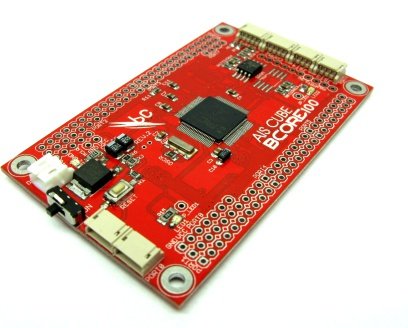
At the edge the metric is performance per watt, and the compiler decides adoption. Quantisation, on chip memory and support lifetime outweigh peak throughput.
AI / REPORTAt the edge the metric is performance per watt, and the compiler decides adoption. Quantisation, on chip memory and support lifetime outweigh peak throughput.
 AI / REPORT
Training, weights and attribution all sit outside what traditional licences anticipated. Model specific terms are appearing, and provenance records matter more than optimism.
 AI / REPORT
Local inference removes a real risk category, but storage, telemetry and model extraction still matter. Verifying the claim takes more than reading a policy.
 AI / REPORT
Benchmarks decay, get contaminated and measure the wrong things. Practical evaluation now means private sets, dynamic questions and workload specific tests.
 AI / REPORT
Logical qubits have moved error correction from theory to engineering. The meaningful metrics are error rates and overhead, not the total count of physical qubits.
 AI / REPORT
Agents take actions, and most deployments cannot reconstruct why. The fix is unglamorous: tool permissions, approval gates, logged trajectories and rehearsed shutdowns.
 AI / REPORT
Models that fit on a device are solving latency, privacy and connectivity problems that hosted systems handle badly. The engineering trade-offs are concrete and measurable.
 AI / REPORT
Disclosure and documentation duties now apply well beyond frontier labs. The hard work is classification, inventories and records that stand up to scrutiny.
 AI / REPORT
Downloadable models have turned inference into a cost calculation rather than a vendor relationship. The trade-offs involve licences, hardware and evaluation discipline.
 AI / REPORT
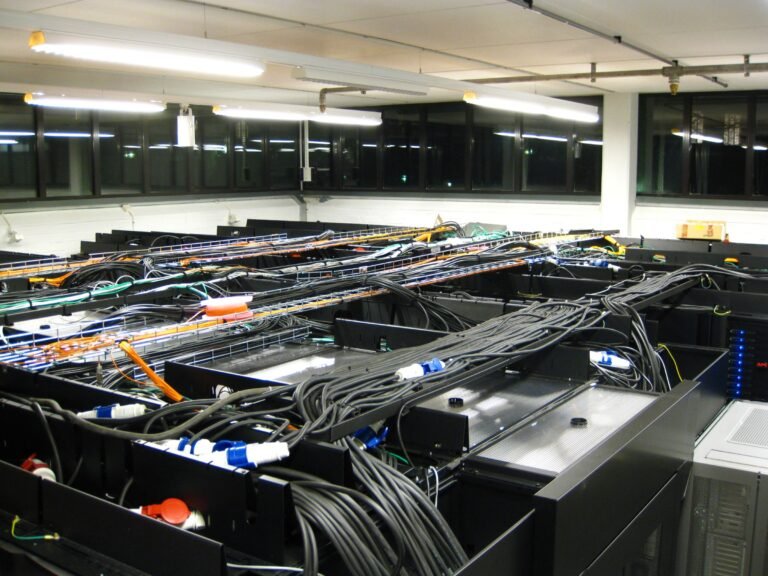
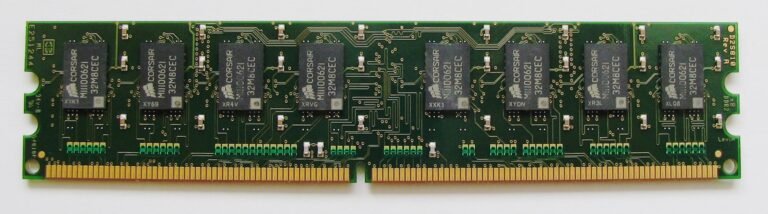
The bottleneck in AI hardware is no longer arithmetic. It is the cost of moving data, and the workarounds are reshaping chip design, software and data centre planning.