A data centre consumes electricity, and that fact has driven years of public debate about power grids and emissions. Water receives less attention, though in many regions it is the scarcer resource and the one that decides whether a project is approved.
Cooling accounts for the water. Older facilities use evaporative systems that reject heat by letting water escape as vapour. That method is efficient and cheap, and it consumes water permanently, because the vapour cannot be recovered on site.
How much water, and where the numbers come from
Water use is reported as water usage effectiveness, the ratio of litres consumed to kilowatt hours of computing delivered. A facility with a low ratio still consumes enormous volumes because the denominator is large. Industry averages have improved over the past decade as operators shifted toward closed loop designs.
The variation between sites is wide, and it depends on climate, design and workload. A facility in a humid region faces different constraints from one in a desert, and the same design can perform very differently in each.

The local approval process is where it bites
Water is governed locally. Municipalities, water districts and in some cases tribal authorities hold the permits, and they weigh a data centre against farms, households and other industry. A project that looks straightforward at national level can stall because a local board is unconvinced.
This has produced a pattern of disputes in water stressed areas, where residents question whether a facility that employs relatively few people should receive a large allocation. Operators have responded with commitments to fund infrastructure, to use reclaimed water, and in some cases to replenish aquifers.
Reclaimed water and closed loop cooling
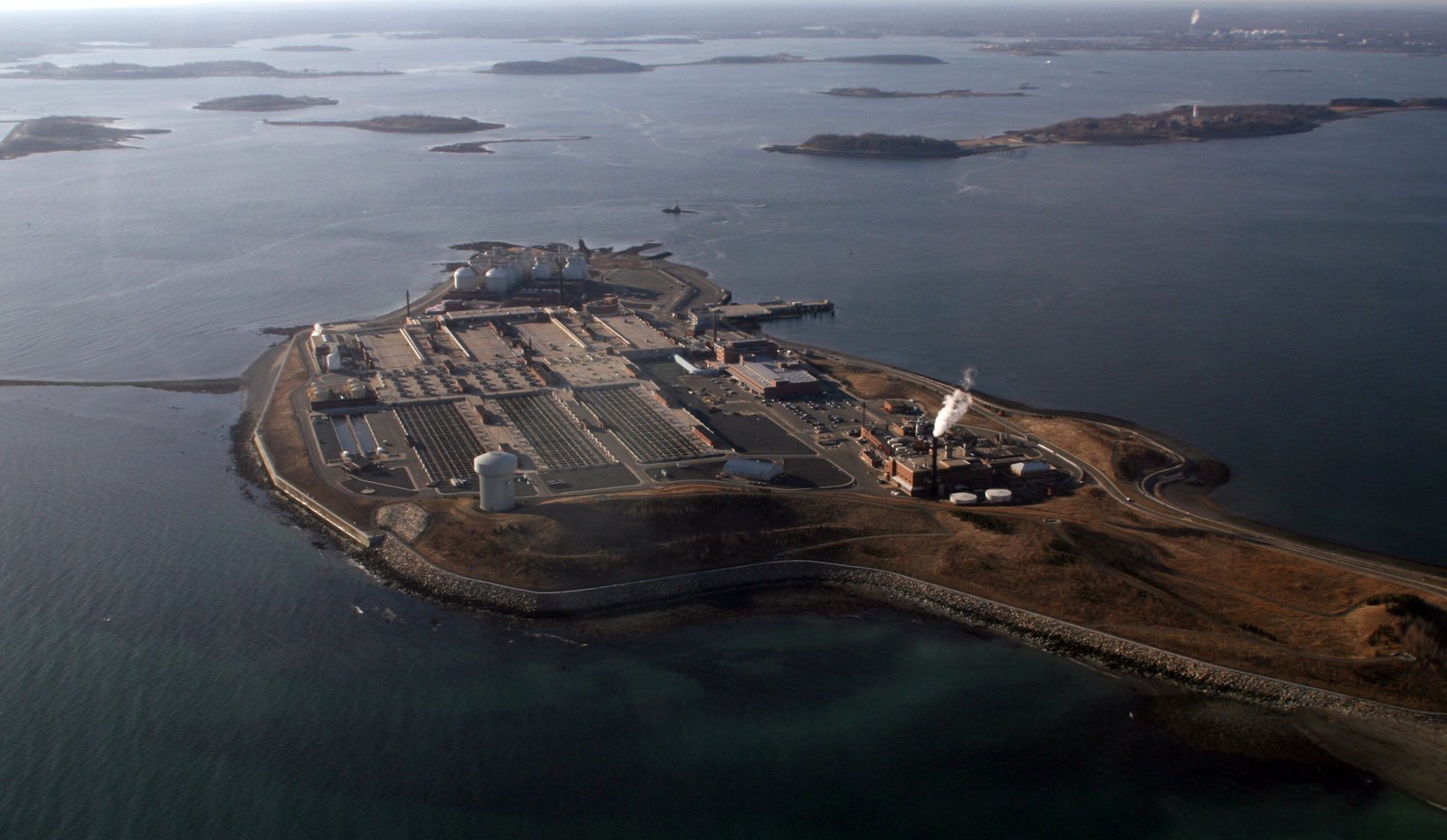
Two technical responses reduce the pressure. The first is to use treated wastewater rather than potable supply, which avoids competing with drinking water. The second is closed loop cooling, where the same water circulates and heat is rejected to air, cutting consumption sharply at the cost of higher electricity use.
The trade is real. Closed loop designs consume more power, which raises emissions unless the grid is clean. Operators therefore choose based on which resource is scarcer locally, and that calculation differs from site to site.
Reporting and the credibility gap
Water figures are self reported, and methodologies vary. Some operators count only on site consumption and exclude water used in electricity generation upstream. That exclusion can change the total substantially, and comparisons between companies become misleading.
Efforts to standardise exist, and guidance from bodies such as the Environmental Protection Agency on water efficiency provides a reference. Independent verification remains uncommon, which is one reason community groups treat company figures with suspicion.
What communities are asking for
The requests are consistent across regions: publish actual consumption rather than design targets, report it monthly, include upstream water, and accept conditions that bind if usage exceeds a threshold. Some jurisdictions have added such conditions to permits.
Operators that engage early tend to fare better than those that arrive with a finished plan. The disputes that become costly are usually ones where the community learned about the project from a planning notice rather than from the company.
Alternative cooling and the electricity trade
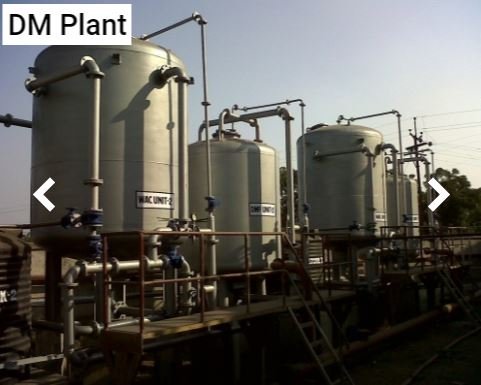
Cooling designs sit on a spectrum. At one end, evaporative systems use little electricity and a great deal of water. At the other, mechanical refrigeration and closed loops use more electricity and almost no water. Operators choose according to which resource is locally scarce, and the choice is rarely permanent because climate and supply change.
Immersion cooling, where hardware sits in a non-conductive liquid, removes heat efficiently and reduces water use to near zero. It requires purpose-built servers and changes maintenance procedures, so adoption has been concentrated in new facilities designed for it.
Heat reuse is the third option. Some operators pipe waste heat to district heating networks or greenhouses, turning a disposal problem into a product. The economics depend on having a customer nearby and on the temperature the heat can reach, which varies by workload.
Each option carries a different regulatory profile as well. A design that consumes electricity rather than water shifts the burden to the grid and to emissions accounting, which may be scrutinised just as closely as a water permit.
The direction of the industry
New facilities are increasingly designed with water constraints as a primary input, and some are being sited where water is abundant even when that means higher latency or transmission costs. The era when cooling was an afterthought is ending.
For anyone tracking the sector, the useful indicators are the local permit conditions and the disclosed water usage effectiveness, not the corporate sustainability page. The permit is enforceable, and the disclosure can be compared over time. Where operators publish monthly figures, the trend matters more than any single month, because seasonal demand and maintenance both distort a short window.
Image: Tennessee Valley Authority · Public domain · via Wikimedia Commons.