For two decades the central claim about quantum computing was that a useful machine would require millions of physical qubits, an engineering target so distant that it functioned as a polite way of saying never. That framing has changed. The interesting question is no longer whether error correction works in principle but how cheaply it can be built in practice.
The reason is that error correction has moved from a theoretical curiosity to a measurable laboratory result. Several research groups have demonstrated logical qubits, which are collections of physical qubits that behave as a single, more reliable unit. The demonstrations are small, but they establish the mechanism.
Why qubits need protection at all
A qubit is fragile. Thermal noise, stray electromagnetic fields and manufacturing variation all cause errors, and the rate is high enough that an unprotected machine loses its state before a useful calculation finishes. Classical computers solve the same problem with redundancy, and the quantum version of that idea is to spread one logical unit across many physical ones.
The difficulty is that measuring a qubit to check for errors destroys the information being computed. Quantum error correction works around this by measuring relationships between qubits rather than the qubits themselves, extracting enough information to detect an error without collapsing the calculation.
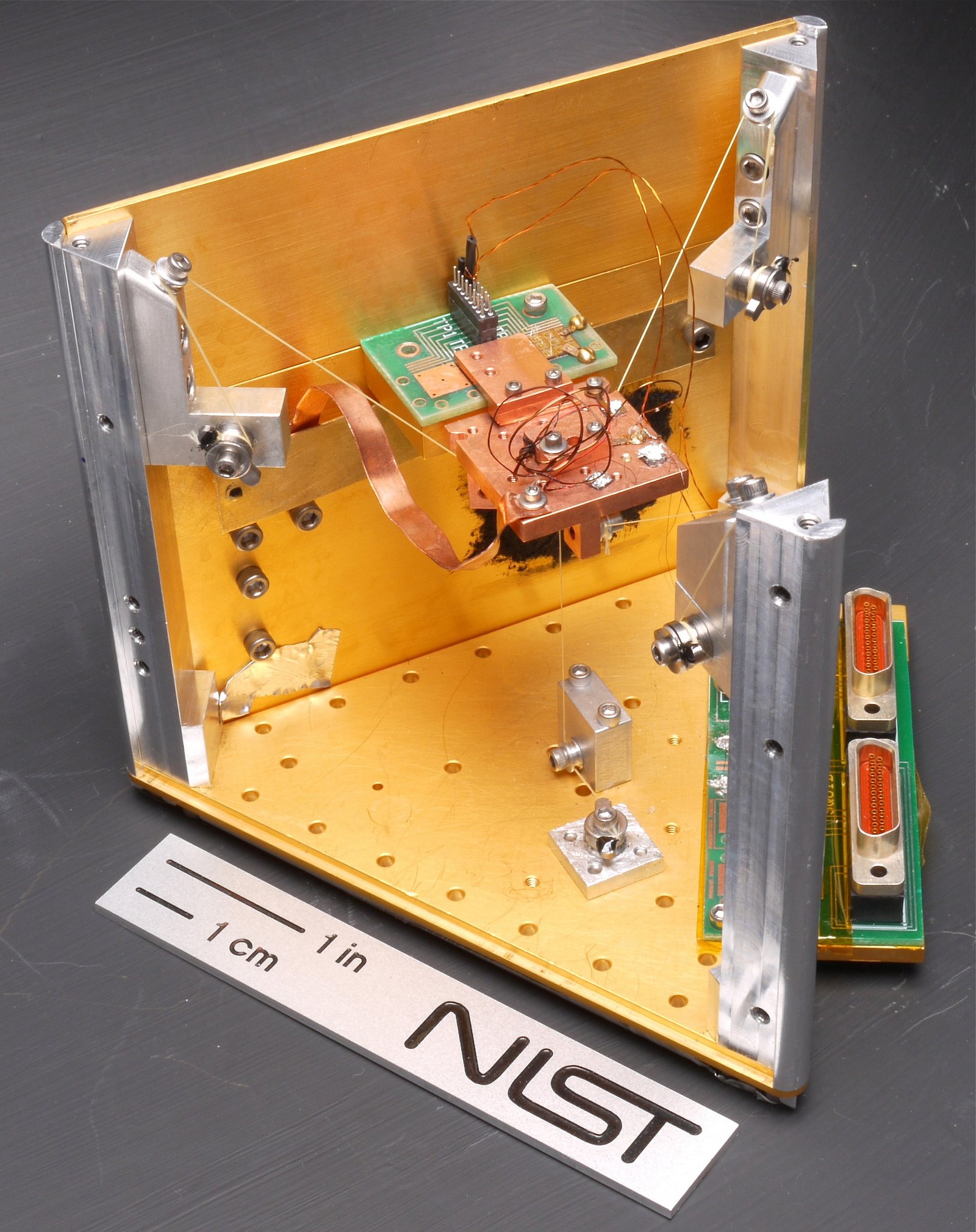
Surface codes and their overhead
The most studied scheme is the surface code, which arranges qubits in a grid and checks neighbouring pairs. It is attractive because it tolerates relatively high physical error rates and fits the geometry of many hardware platforms. Its drawback is overhead: current designs need on the order of a thousand physical qubits for each logical one.
Reducing that ratio is the main engineering objective. Better fabrication lowers the physical error rate, which in turn lowers the number of physical qubits needed per logical qubit. Progress on this metric matters more than headline counts of physical qubits, which can be inflated simply by building a larger chip.
Hardware approaches are converging and diverging at once
Superconducting circuits are the most mature platform and the one used for most logical qubit demonstrations. Trapped ions offer better coherence but slower gates. Neutral atoms have advanced quickly and are attractive for their ability to be rearranged optically, which helps with the connectivity that error correction demands.
Photonic approaches promise room temperature operation and easy networking, at the cost of difficult single photon generation and detection. None of these has been eliminated, and the National Institute of Standards and Technology continues to publish measurement work that underpins comparison across platforms.
The cryogenic plumbing problem
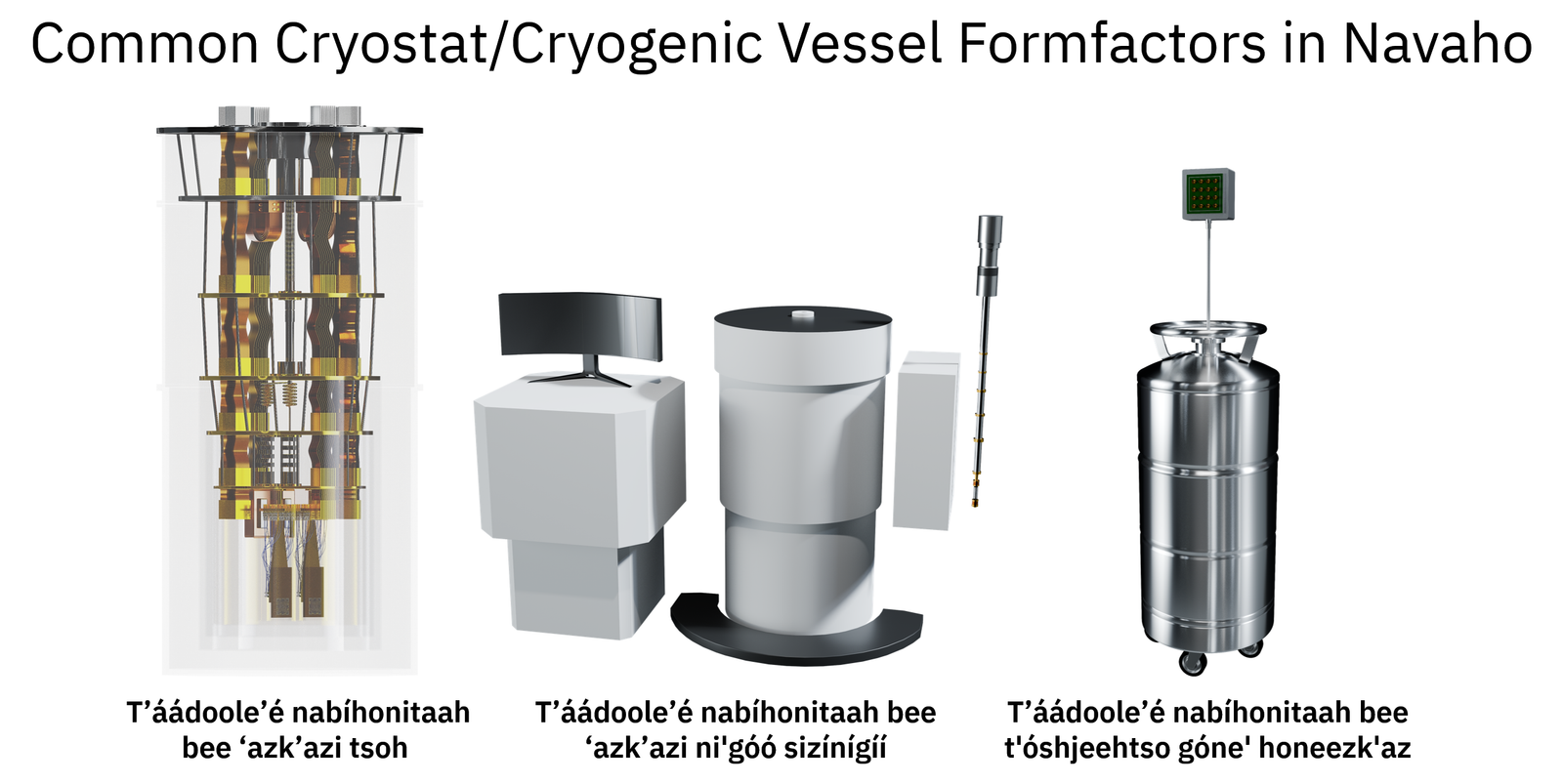
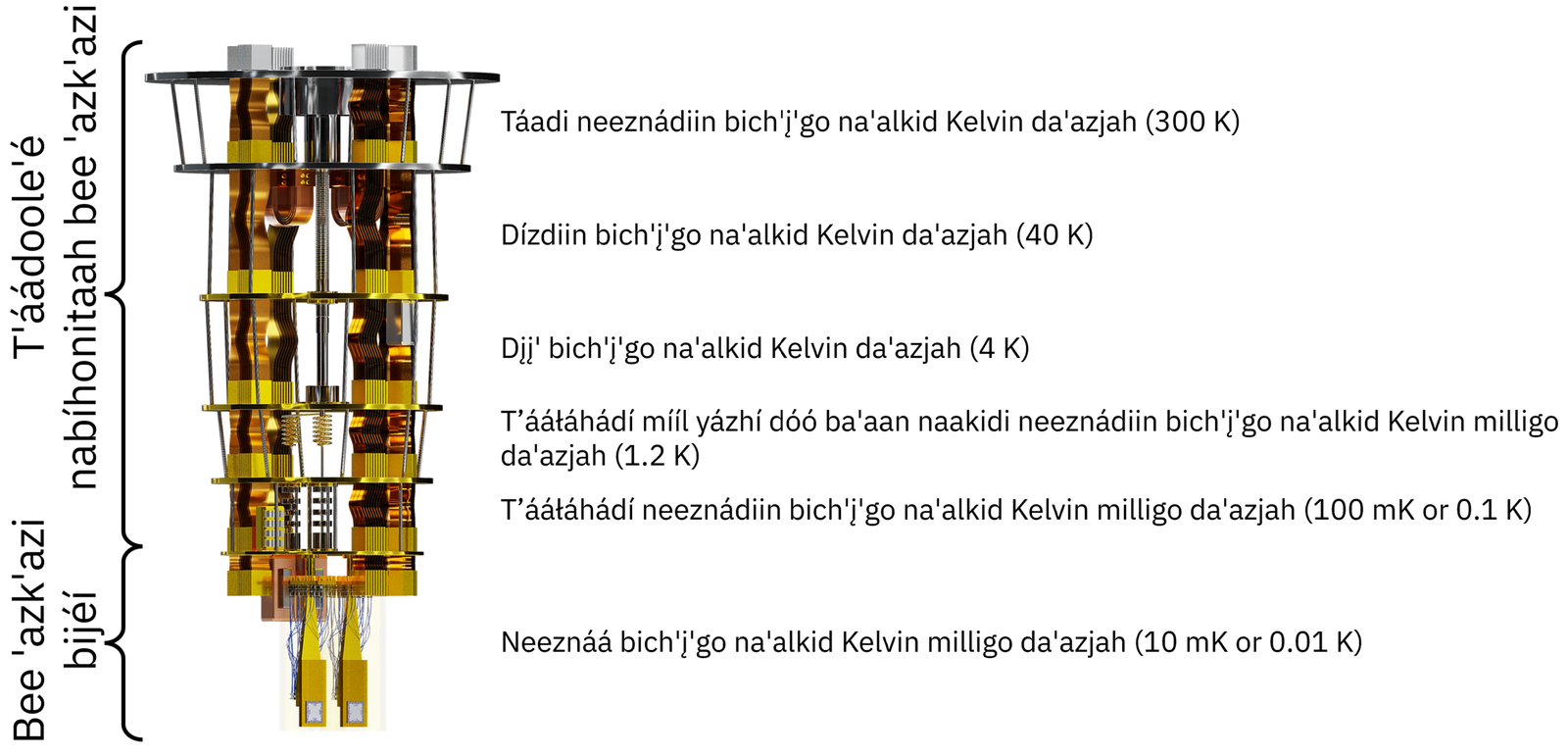
Superconducting qubits operate near absolute zero, and the wiring that connects room temperature electronics to a dilution refrigerator is a genuine constraint. Each control line carries heat into the cold space, and the number of lines scales with the number of qubits. Solving this requires control electronics that operate at low temperature, which is an active area of chip design.
This is where the field starts to look like conventional engineering. The problems are thermal budgets, signal integrity and packaging density rather than exotic physics, and the solutions resemble those used in other high performance systems.
What a useful machine would actually do
Even a well corrected quantum computer will not replace ordinary servers. Its value lies in a narrow set of problems where the number of possibilities grows so quickly that classical methods fail: certain simulations of molecules and materials, and some optimisation and cryptographic tasks.
Forecasting when this becomes commercially relevant is difficult, and credible voices disagree by a decade. What can be said is that the milestones have shifted from physics demonstrations to engineering metrics such as logical error rate per operation and the cost of a logical qubit cycle.
Talent and the supply of specialists
The field depends on a small number of people who understand both the physics and the engineering. Cryogenics technicians, control electronics engineers and error correction theorists are all scarce, and the shortage is a practical limit on how fast any organisation can scale.
Training pipelines take years, and industrial demand has drawn people out of universities, which in turn slows the research that would produce the next cohort. Several national programmes have responded with funding aimed specifically at building that pipeline rather than at buying hardware, which is a slower investment but a more durable one.
How to read quantum announcements
Ask three questions. How many logical qubits, not physical ones? What is the logical error rate, and is it below the threshold at which adding qubits improves reliability? And is the result reproducible by an independent group?
Those questions filter most of the noise. The field is making real progress, and the progress is best measured in error rates and overhead ratios rather than in grand totals that ignore the work required to make any of it reliable.
Image: NASA Jet Propulsion Laboratory · Public domain · via Wikimedia Commons.